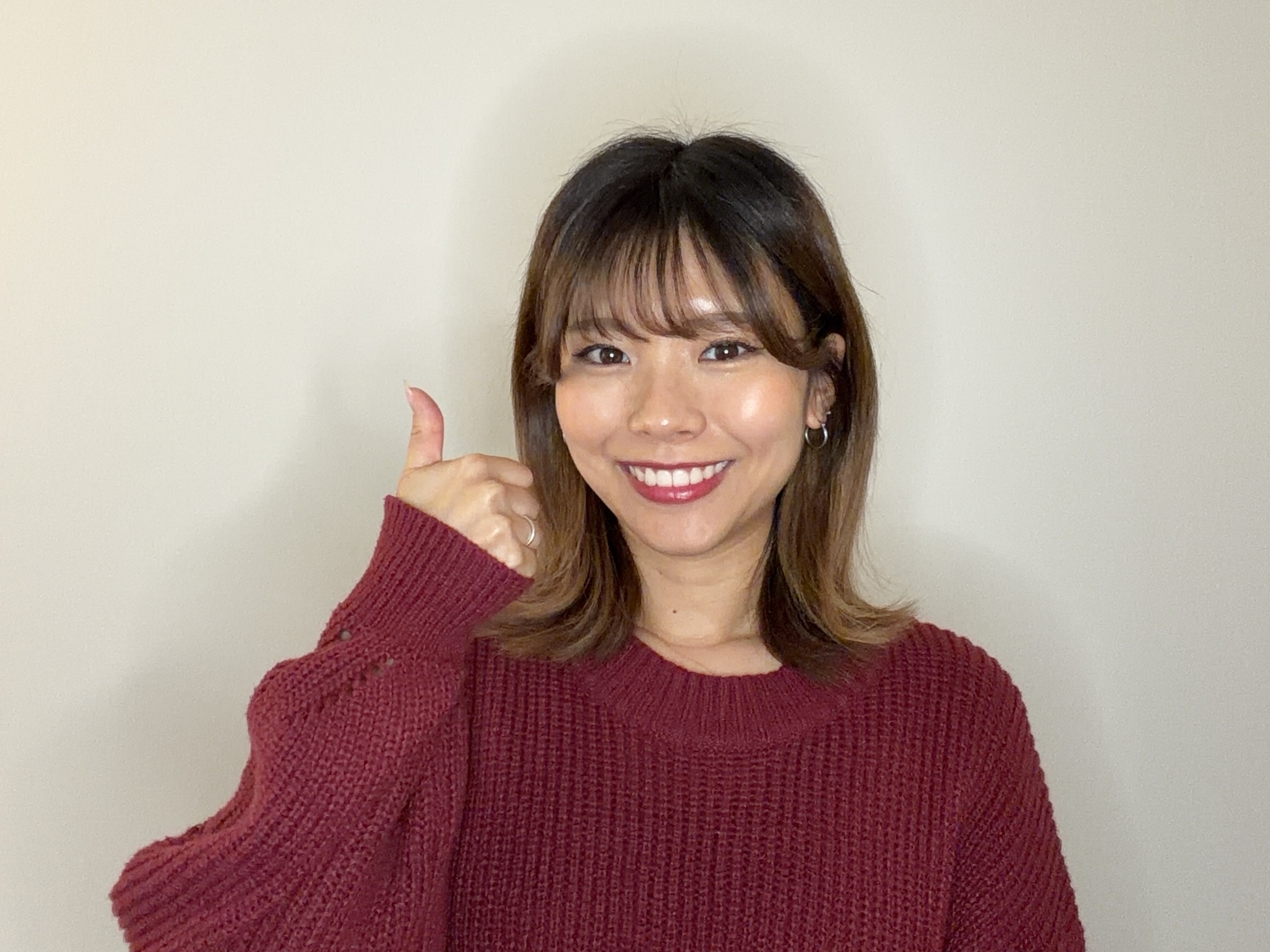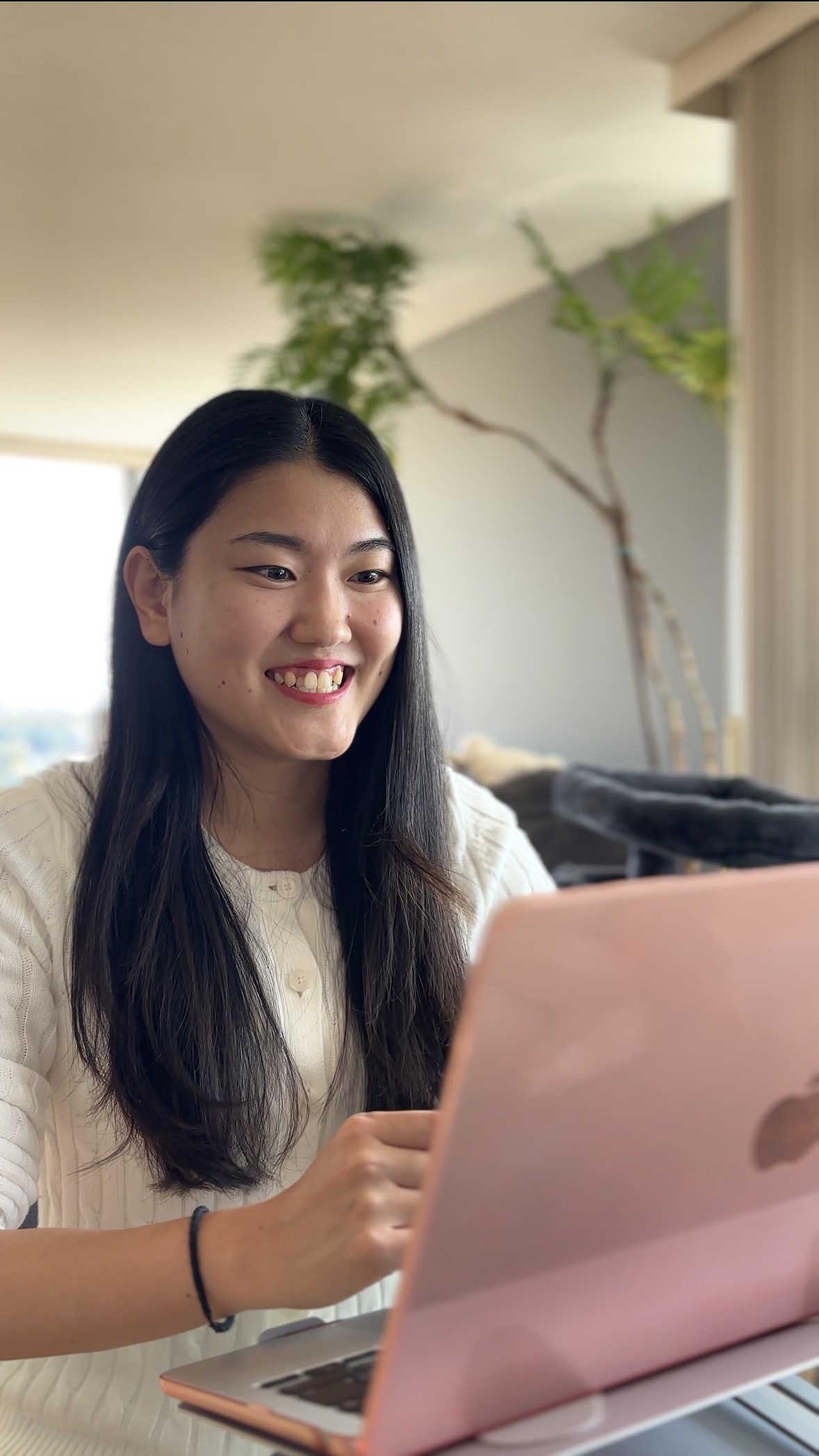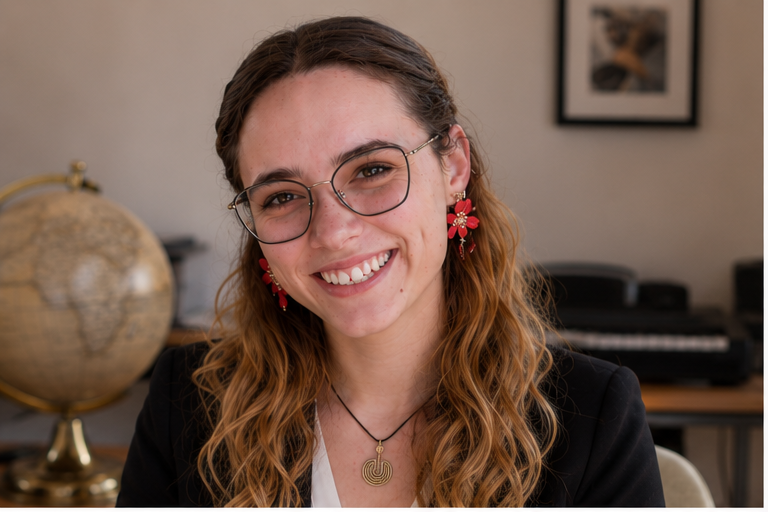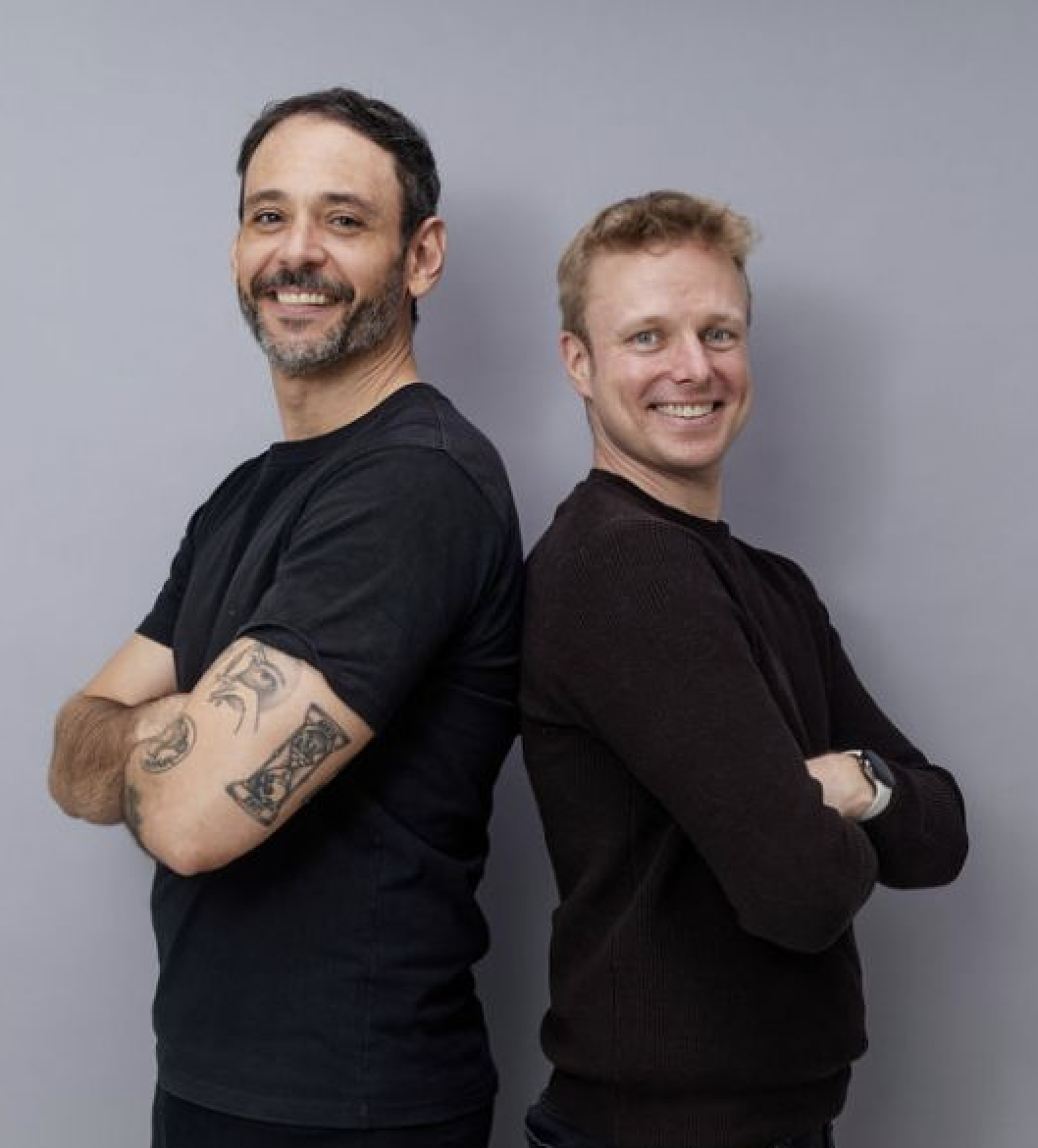
Fernando Oringo moved from the Philippines to Vietnam in 2019 to study for his master’s degree. While traveling there, he found a teaching job, and it turned into a career that now spans Southeast Asia. Today he is based in Chiang Mai, Thailand, as an International Relations Manager overseeing six schools in Thailand, together with schools in Vietnam and Cambodia. He also supports teachers in Myanmar and connects Asian teachers with teachers in Europe.
If he had to sum it up in one line, he is an advocate for public speaking in education, supporting teachers, students and everyone around them. He sat down with Pensight CEO Yuki to talk about what language teaching really looks like in Southeast Asia, how he helps teachers and students find their voice, and where AI fits in the classroom.
Why stories come first
Fernando’s reason for doing this work is representation. There are many misconceptions about the people and cultures of Southeast Asia, he says, and students often struggle with public speaking because English isn’t their first language. “But when it comes to the stories they’re capable of sharing, there are a lot of amazing stories in this community.”
He sees it with public school teachers in Chiang Rai in northern Thailand, and with teachers in Myanmar who keep teaching despite war and political turmoil. “Whichever Southeast Asian country I’m assigned to, it’s always the stories that make us feel connected,” he says.
What the market looks like now
When Fernando started as an ESL teacher in Vietnam, demand for English was taking off across the region. International schools, language centers and online learning were all growing. In Vietnam, companies opening up to international business are investing heavily in their employees’ communication skills, and Canadian, Australian and UK international schools are arriving for younger learners. In Thailand, much of the demand comes from families who relocate from China, Korea and other Asian countries for an English-language education.
For teachers in Vietnam, Thailand and Cambodia, tutoring can be a strong second income on top of a day job. Many students take English after school, from 5 p.m. onwards, and parents often prefer online lessons so their kids can stay home safely, especially during the rainy season or Chiang Mai’s smoke season. Teachers based in the US or Canada still have a market too, since their daytime is evening in Vietnam. The exception is corporate training, which companies usually schedule during work hours and prefer to run with someone in the same time zone.
Being the bridge
In the Philippines, Fernando had learned English in a very technical, academic way. In Vietnam, he found students learning it as a second language, often from materials written for students in native English-speaking countries. A lesson about New York landmarks meant little to a student who had never been there.
So his team became the bridge. Before introducing a foreign topic, they start with the students’ own community, such as the landmarks of Vietnam, so students can see the connection. They also work with publishers on materials that fit Vietnamese learners.
The same bridge runs between teachers. Local teachers tend to be strong in grammar and exam preparation, while many native English-speaking teachers focus on communication and are weaker on grammar. Every month, Fernando’s team brings local and foreign teachers together with university professors and experienced ESL trainers to build a shared understanding of what language learning is for. In Thailand, it runs both ways: local teachers learn English teaching approaches, and foreign teachers learn Thai language and culture.
One gap remains hard to close: assessment. Pen-and-paper exams still dominate, and students are trained to the test format. Ask them about the same concept in a real conversation, and many struggle. Schools feel pressure from the government, from parents and from their communities all at once.
No story is meant to be kept aside. It’s meant to be shared with the community.

Helping teachers become speakers
Fernando’s own turning point came when a previous employer pushed him beyond his classroom. “They said, you’re so good with your classroom strategies, but how can we replicate that and inspire more teachers?”
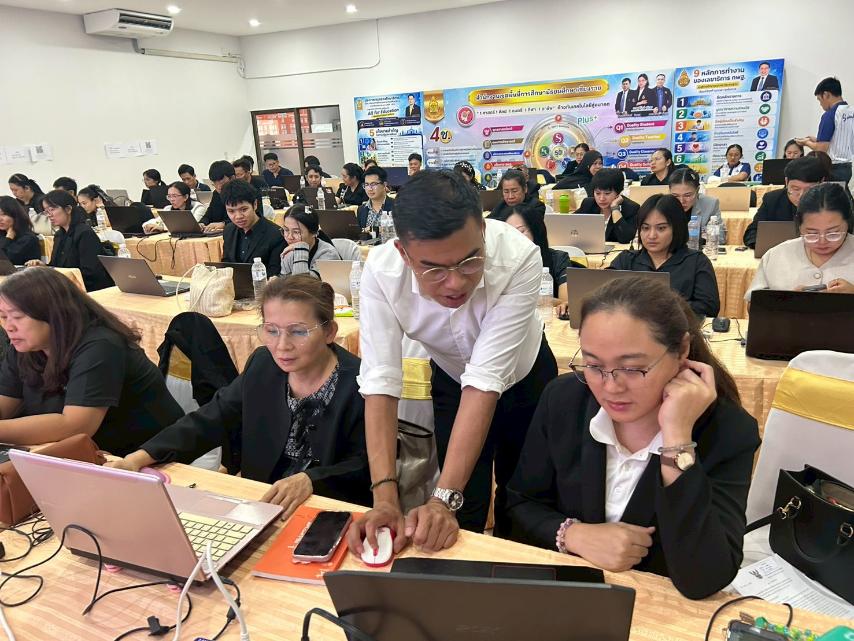
Now, instead of workshops built only on theory and materials from funders, he builds sessions around teachers’ own stories: classroom stories, life stories, and the stories of foreign teachers who relocated to Vietnam, Thailand and Cambodia.
The biggest block he sees is fear of social media. Teachers worry about negative comments and about their stories being shared the wrong way. Most are happy to share inside their own communities, but not yet on bigger platforms. He understands. It took him months to get used to the attention himself. “It’s not just about professionalism,” he says. “It’s mental preparedness. Once you put yourself out there, you need to be ready to be accountable and handle it professionally.”
AI in education, not AI and education
Fernando is also an AI practitioner fellow with a UNESCO-linked international research program, where he works with teachers from Asia and Eastern Europe on classroom projects that connect schools across countries. This year he mentored three projects with about 15 teachers: one using AI to keep folklore and traditions alive, one led by a teacher in Japan on student motivation, and one on student voice and public speaking.
The distinction he draws is simple. AI is a tool and a scaffold, not the teaching itself. “Develop yourself as a teacher first. Improve your teaching strategies and pedagogy,” he says. “Then you’ll be confident bringing in tools like AI.” What excites him most is teachers taking the lead: writing guidelines for AI use, creating their own programs, and starting the conversation, because they are the ones facing the challenges first.
Why Fernando recommends Pensight
For many teachers in Southeast Asia, Fernando says, admin is a long-standing problem: keeping notes, setting schedules, communicating with students and clients, and writing reports. Most of them stitch together several different platforms to do it. “Number one, that’s very expensive,” he says. “And it’s not easy for teachers to manage so many different apps that don’t offer all-in-one support for online teaching.”
That is why Pensight stood out when he came across it. “It takes away the time teachers spend on multiple applications, and everything is under one platform,” he says. He especially likes that teachers can represent their own advocacy by creating and customizing their own pages, and that scheduling keeps online work organized alongside a day job.
Free AI tools help, he adds, but they have real limits when it comes to online language teaching specifically. “I’m so amazed by what Pensight has done in other regions,” he says, “and I’m looking forward to having it here in Southeast Asia soon.”
What’s next
Fernando plans to stay in Southeast Asia, wherever his next assignment takes him. He will keep growing his public speaking program for teachers and students, looking for partnerships to reach communities beyond the big cities, where he sees the greatest need. And he will keep sharing the stories of the region’s students, teachers and communities.

Find Fernando
https://www.linkedin.com/in/fernandoporingo/
-
Frequently asked questions
Who is Fernando Oringo?
Fernando Oringo is an educator from the Philippines who has taught and trained teachers across Southeast Asia since 2019. He is an International Relations Manager in Chiang Mai, Thailand, overseeing six schools in Thailand alongside schools in Vietnam and Cambodia, and an advocate for public speaking in education.
Is online English tutoring a good job in Southeast Asia?
According to Fernando, it can be a strong second income in Vietnam, Thailand and Cambodia. Many students take English online after school from 5 p.m., and parents often prefer online lessons. Competition is higher in the Philippines, where online English teaching has been popular for longer.
How can teachers make foreign English materials work for local students?
Fernando’s approach is to contextualize. Before teaching a topic based on another country, start with what students know from their own community, such as local landmarks, so they can see the connection before meeting the foreign example.
Why are teachers hesitant to share their stories on social media?
Fernando says the biggest worry is losing control: negative comments, or stories being shared the wrong way. Many teachers are comfortable sharing within their own communities first. Going public takes courage, confidence and the mental preparation to handle the response professionally.
How should language teachers use AI in the classroom?
Fernando treats AI as a tool and a scaffold, not the teaching itself. His advice is to develop as a teacher first, improving your strategies and pedagogy, and then bring in AI tools with confidence.
Why do teachers in Southeast Asia need an all-in-one platform?
Many teachers juggle several platforms for notes, scheduling, client communication and reports, which is costly and hard to manage. Fernando sees an all-in-one platform like Pensight as a way to save that time and give teachers their own customizable page.
Watch the full conversation between Fernando and Yuki on the Pensight podcast.