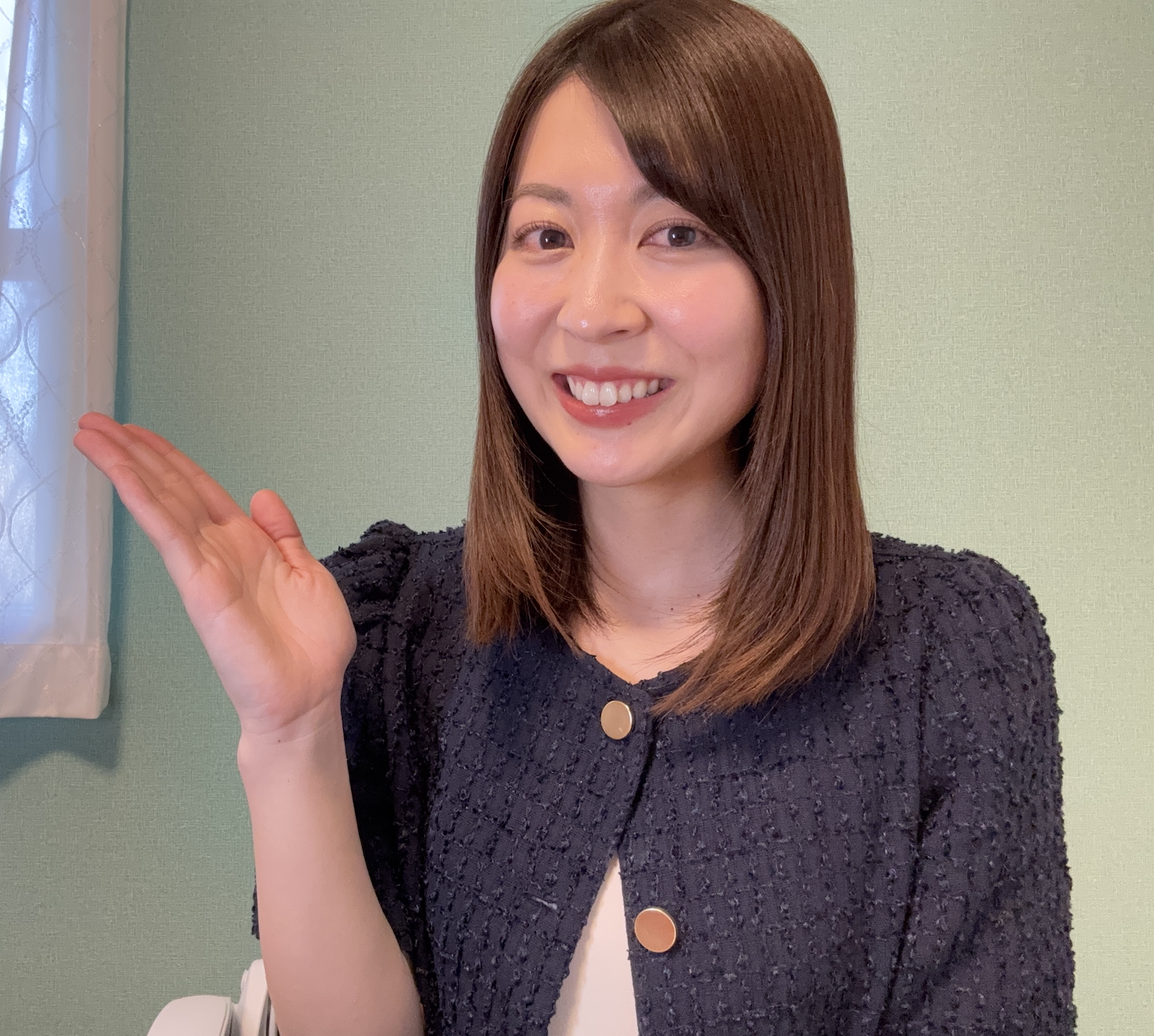
Hitomi lives in Shizuoka, Japan, and has taught Japanese online since January 2024. Three days a week she also works at a clinic as a certified orthoptist, running eye exams. On those days, lessons fit into the mornings and evenings around her shifts. “I really love working,” she laughs.
Today she teaches about 24 students, ages 15 to their 60s. Most are English speakers, and others come from Korean and other language backgrounds. Some want to work in Japan, some already live there, some are preparing for the JLPT, and some are learning for travel and culture. She sat down with Pensight CEO Yuki to talk about the year she taught twice as much, the number she settled on instead, and why her students still choose a human teacher.
180 lessons a month, and no days off
Hitomi started from zero, with no teaching experience. So she said yes to everything, to build experience and work with as many different students as she could. At her busiest she taught about 180 lessons a month, on top of her clinic job.
Some days held ten lessons. “By the end of the day, my voice would be going,” she says. There was no room to rest, and she learned how much her health mattered.
She also learned something that surprised her. “People can get used to more than you think,” she says. Once ten lessons became her normal, a six-lesson day felt light.
But getting used to it wasn’t the same as doing it well. With that many lessons, she didn’t have the time to really face each student, and her performance started to slip.
Finding her number
That drop made her rethink how she worked. For the past six months she has kept a steady 90 to 100 lessons a month, and she calls it the best balance she has found so far.
The change wasn’t only about doing less. She learned to rest when she needs to and keep a clear line between work and private time, because that is what keeps her performance up. The hours she freed up go to two things: committing more deeply to each student, and studying to keep improving. “I didn’t want to just stay where I was,” she says. “I needed margin to take the next step.”
What only a human teacher can do
Hitomi’s lessons have one goal: students should be able to actually use their Japanese. They share real moments when they used what they learned, and they feel themselves improve during the lesson. She believes that feeling is what keeps them coming back.
Every student gets the same foundation, customized to their own goal. One of her students works in AI programming as a software engineer. He told her that even now, when AI can play teacher and anyone can study on their own, being coached by a real person was worth it.
Part of that is the extra step. Hitomi sends individual voice messages with feedback tailored to each student, including honest reactions to their opinions and what they like or dislike.
AI can do a lot. But there are things only a human can do.
Where AI helps her
Teaching back to back had a hidden cost. With one lesson right after another, the details fade fast, and by the time she sat down to write feedback, it had gotten thinner. “Without some kind of record, I’d forget,” she says. When she started out, that was her biggest bottleneck.
Now she uses Pensight’s new lesson feedback tool. It transcribes what the student said, analyzes it, and drafts feedback using a prompt she sets. She always does the final check herself. But a live lesson moves fast, and it’s hard to catch everything in the moment. “With AI, I get so much more out of a single lesson,” she says.

Getting unstuck, together
As a freelancer, Hitomi’s income had leveled off. The real problem, she says, was that she was still selling her time by the hour, and she didn’t know how to raise the value of each hour on her own.
She had been following Shion’s Instagram stories, and they read like her own situation. In February 2026 she joined Kotomusubi, Shion’s coaching course for Japanese teachers, taking its six-month 1:1 track. There she learned coaching skills, and she now teaches with Kotomusubi’s app, which brings together the materials and learning environment for her students. Within about three months, she hit her highest monthly income as a Japanese teacher.
Kotomusubi has no graduation. Hitomi finished the course but stays in the community, with regular study sessions, share sessions and meetups. On paper, everyone there is a competitor. In practice, she says, they are generous: members share what worked for them, others adapt it, and the cycle keeps going. “Most of us started in the same place, stuck,” she says. “So we really win together.”
What’s next
Many of Hitomi’s students learn Japanese for travel, so she is exploring a focused program for them: for example, a three-month course for students whose trip to Japan is three months away. That could also be her first step into group lessons. She also wants to build a membership community where her students can keep up with each other and share what they learn.
With the Kotomusubi community, the ideas get bigger: teaching Japanese abroad, meetups in other cities, and even a group trip to visit Pensight’s headquarters in Los Angeles.
Through it all, she comes back to the same reason she started. “I’ve always made choices around one thing: the freedom to choose,” she says. Teaching Japanese online widened her choices, not just in how she works, but in how she lives.
Find Hitomi
- Hitomi’s Pensight Page: https://pensight.com/x/kotomusubi_hitomi_o
- Get yours here: https://pensight.com/?refCode=kotomusubi_hitomi_o
Frequently asked questions
Who is Hitomi?
Hitomi is an online Japanese teacher based in Shizuoka, Japan, who has taught since January 2024. She teaches about 24 students, ages 15 to their 60s, mostly English speakers, and also works three days a week at a clinic as a certified orthoptist.
How many lessons a month should an online language teacher take on?
There is no single right number, but Hitomi’s experience is a useful guide. She once taught about 180 lessons a month and saw her performance drop. Since cutting back to a steady 90 to 100, she has more time for each student and for her own study.
How can language teachers give good feedback when lessons are back to back?
Hitomi found that feedback got thinner when lessons ran back to back, because the details faded quickly. She now uses an AI tool that transcribes and analyzes each lesson with her own prompt, then checks and finalizes the feedback herself.
What can a human language teacher offer that AI can’t?
According to Hitomi, it’s the personal extra step: lessons customized to each student’s goal, individual voice-message feedback, and honest reactions to what the student thinks and likes. Even a student who works in AI told her being coached by a real person was worth it.
What is Kotomusubi?
Kotomusubi is a coaching course for Japanese teachers led by Shion. Hitomi joined in February 2026 for its six-month 1:1 course and stays in its community, which has no graduation and runs regular study sessions, share sessions and meetups.
How can a language teacher grow beyond selling time by the hour?
Hitomi’s next steps are focused programs, group lessons and a membership community, such as a three-month course for students preparing for a trip to Japan. On Pensight, teachers can run 1:1 lessons, group programs and memberships from one page.
Watch the full conversation between Hitomi and Yuki on the Pensight podcast.