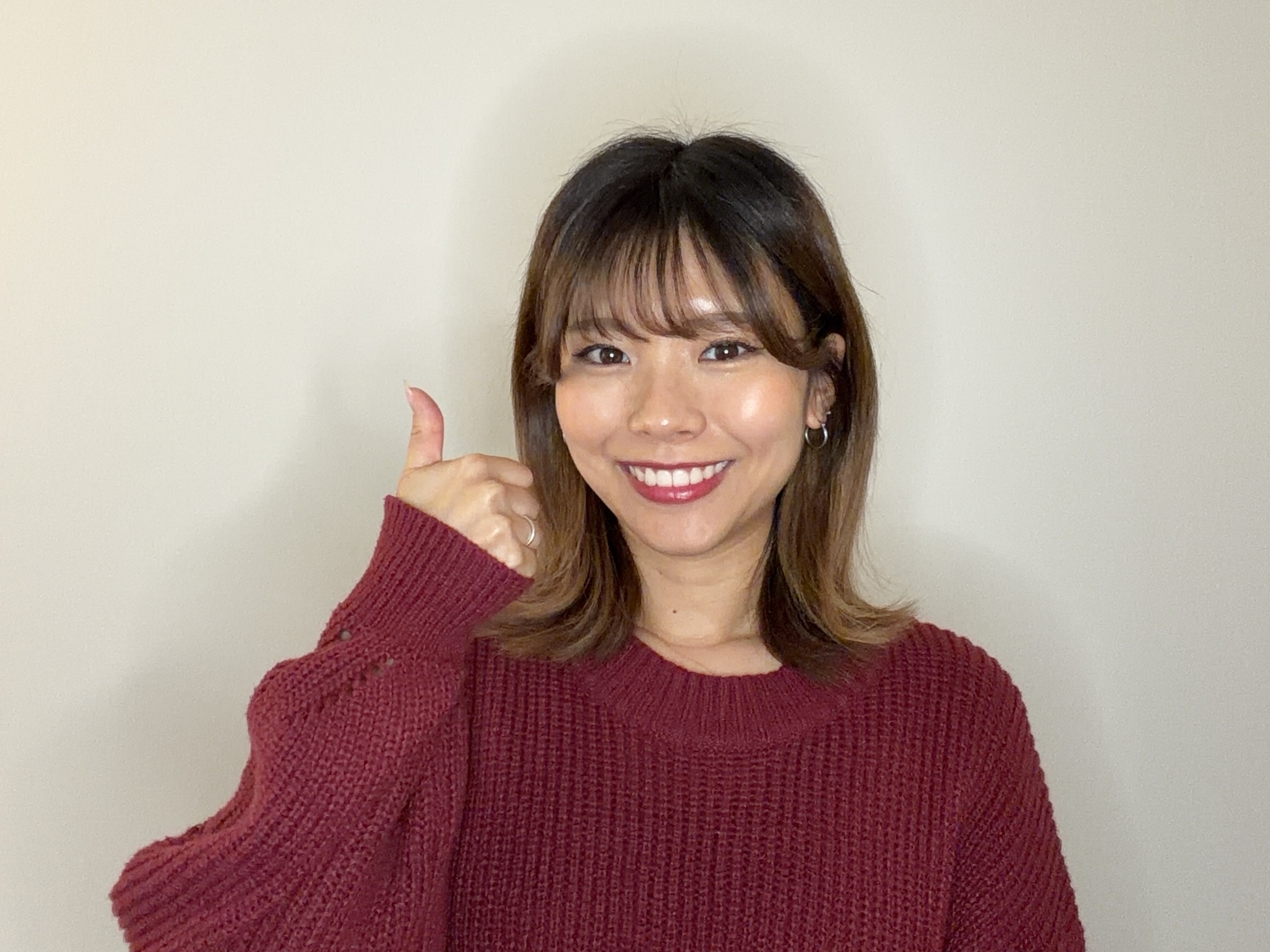
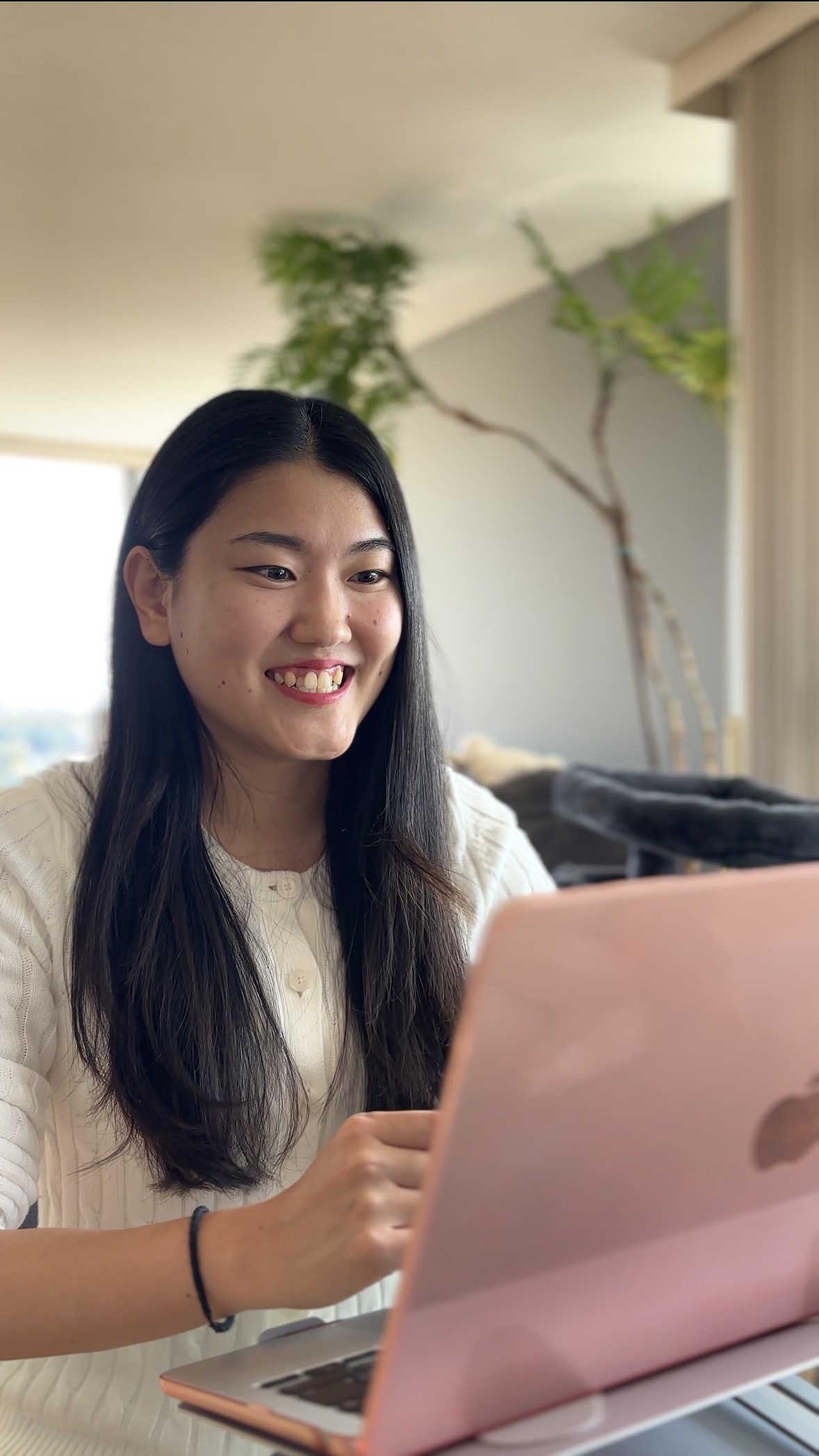
- In 2023, Mariko Suzuki started teaching Japanese online while on welfare. Two years later she earned ¥1 million a month, eight months in a row.
- Her mission: never make a student hate Japanese. Over 80% of her students have stayed three years or more.
- She praises effort, not results, and keeps a clear line as a teacher.
- The math: your rate × the hours you open. She taught 170–180 lessons a month.
- The tutors who last are the ones on fire.
- Why she uses Pensight: real experience from people who've done it, and steady data behind her intuition.
Many online Japanese tutors share the same worries: students don't stay, rates won't go up, and it's hard to tell whether this work can really pay the bills.
Mariko Suzuki, founder of Nihongo Koshi Master Class, started teaching Japanese online in 2023 while on welfare. Three months later she was taking home ¥450,000 a month. After a year, ¥700,000. After two years, ¥1 million, and not just once: eight months in a row. More than 80% of her students have kept taking lessons for three years or more.
Pensight CEO Yuki sat down with her to learn the thinking behind it, and exactly what she does.
It started at a laundromat
Mariko first heard about online Japanese tutoring in June 2023. That spring, a lot had gone wrong at once, and she ended up on welfare. She couldn't afford a washing machine; her table was a cardboard box. At the neighborhood laundromat, she met Daniel, a traveler from Australia.
His Japanese was excellent, so she asked how he'd learned. "Apps and online lessons," he said. Mariko told him she had once wanted to teach Japanese, but gave up because a qualification took too much time and money. Daniel's reply:
Anyone can start online for free now. Students who want a certified teacher will go to one, and plenty of students don't care. Why not just try?
She decided that "if it feels like a hassle, I lose," went home and signed up on Preply that same day. For the first month, nothing. Then a booking came in from a father looking for a teacher for his eight-year-old daughter. Three and a half years later, that student is still taking lessons.
Her mission: never make a student hate Japanese
Asked why her students stay so long, Mariko didn't hesitate.
“My mission is simple: never make a student hate Japanese.”
Most people in Japan learned English at school, and many came away disliking it, or liking it but unable to speak. Mariko worried that teaching Japanese the way English was taught to her, as a school subject, would do the same thing to her students: make them hate the language, or leave them feeling they can't speak.
She grew up moving between the US, Canada and Japan. In Japan she was told her Japanese was poor; abroad, her English. She never came to hate English, and that's what let her keep learning. So "don't make them hate it" comes first.
In practice: praise the effort
So what does that look like in a lesson? Mariko named three things.
Praise, and be specific
Not a vague "good job." Say exactly what went well.
Praise effort, not results
Students who are hard on themselves think it's "nothing special." Notice the work they've quietly put in, and say it.
Keep a red line
Being friends isn't the goal. Be clear about what's OK and what isn't.
A teacher who notices the struggle behind the progress becomes someone students want to spend more time with. And lessons with some structure, not just fun, last longer as a service.
The math behind ¥1 million a month
"How do you actually earn ¥1 million a month?" Yuki asked. Mariko answered with numbers.
lessons a month
She opened her calendar and kept it full.
above the going rate
Not the usual ¥2,000 an hour. A rate that matches the value she brings.
contracts
Most students book with her directly, keeping fees low.
days off all year
New Year's Day, New Year's Eve, and a Christmas with no bookings.
Language doesn't improve on one hour a week, and Mariko knows it. So she never hesitates to suggest more lessons, and the students who stay are the ones ready to aim high with her.
Why ¥2,000 an hour had to change
There was a reason she chased ¥1 million. Japanese tutors are expected to be all-rounders who share much more than the language. Yet the usual options are volunteering, or about ¥2,000 an hour.
No commute, your own environment, a way of working that uses everything you've done, and real financial independence. I wanted to prove that was possible.
Her first goal was ¥600,000 take-home: five times the ¥120,000 she had then, and about what someone on a ¥10 million salary takes home. She passed it, and says ¥1 million came "before I even noticed."
Building Nihongo Koshi Master Class
Along the way, she realized the changes she'd made followed a pattern, so she started Nihongo Koshi Master Class to share it with other teachers.
There are just two offers: a community membership and one-on-one consulting with Mariko. Both are lifetime, with no monthly fee. The foundation is three ideas:
Mission
Why you teach. For Mariko: never make a student hate Japanese.
Charm
What only you bring: your background, personality and strengths.
Targeting
Who you bring your mission and charm to, and how.
These days she thinks concrete tactics matter more than "the right strategy," which anyone can get from AI.
The tutors who last are on fire
What separates language tutors who last from those who don't? Her answer was simple.
“The ones who are seriously on fire are the ones students love.”
People who live their own lives fully can believe in their students' growth, and pass that on, not just grammar. To get closer to that state, Mariko suggests two things:
Japanese tutors in the age of AI
AI will always outwork us on tireless, consistent tasks, and students can now make their own materials. Mariko sees the tutors who use AI well as conductors.
A native speaker's feel for the language, and the feeling of "I want to learn more Japanese with this person": AI can't create those.
The tutors who see that value, and treat every lesson as if it counts, are the ones who will stay irreplaceable.
What Pensight means to Mariko
Finally, Yuki asked what Pensight means to her, and what it could offer Japanese tutors. She had only just signed up and said she wasn't "using it fully yet," but she named two kinds of value.
The first comes before any feature.
As AI makes "the right answer" worth less and less, what has value is knowledge and opinions that come from real experience. Being able to access the thinking and data of people who have actually built results: that's the first value of Pensight.
The second is the service itself.
AI that analyzes your lessons
Tasks that get patchy when you run on feel are processed, stored and analyzed as data.
Everything in one place
No more hopping between systems and services. Less lost time.
Intuition plus a record
Intuition swings with your mood and energy. A steady record lets you stay the one conducting.
Having both, a steady record and yourself as the conductor, can be a huge weapon for tutors and content creators.
She has already introduced Pensight to the members of Nihongo Koshi Master Class, and is learning to make the most of it.
- Students stay when you never make them hate the language.
- Praise effort, not results, and keep a clear line.
- Your ceiling is open slots × rate. Work on both.
- Don't hesitate to suggest more lessons.
- The tutors on fire are the ones students love.
Find Mariko
- Nihongo Koshi Master Class: masterclass-9.jimdosite.com
Frequently asked questions
Do you need a certificate to teach Japanese online?
Mariko started on Preply without one. Some students look for certified teachers; many don't.
How did Mariko earn ¥1 million a month?
A rate above the going market rate and 170–180 lessons a month, with most students booking directly to keep fees low.
What is Nihongo Koshi Master Class?
A community and one-on-one consulting for online Japanese tutors, led by Mariko Suzuki. Both are lifetime memberships with no monthly fee.