
Two years ago, Shion started teaching Japanese online as a side job, with no teaching experience, no certification and almost no English. About six months later she went independent. Today she runs Kotomusubi, a training course for online Japanese teachers that has worked with more than 40 teachers so far.
Her road there was anything but a rocket launch. She sat down with Pensight CEO Yuki to talk about her first, painful trial lessons, the profile change that turned things around, and what she now teaches other teachers.
Seven years to find her thing
Shion grew up watching her parents run their own businesses with their own skills. Her mother taught singing, and her father was a chef. “I always wanted to work that way,” she says, “to use my own skills to make people happy.” But when she looked at herself, she didn’t think she had a skill like theirs.
So she tried things: programming, a web design school, an Instagram course. None of them turned into a living. She went back to a full-time job, at a Japanese company in the Philippines, working as a social media marketer. She had wanted to work globally, but she ended up working almost entirely with other Japanese people and barely speaking English.
In the Philippines, Filipino friends kept asking her to teach them Japanese. She started as a volunteer, then learned that people teach Japanese online for a living. She decided this would be her last try. “I told myself I had to succeed this time,” she says. In all, it took her about seven years from her first job to building a business of her own.
Ten trial lessons, zero bookings
Shion asked a certified teacher she knew which materials to use, signed up on a tutoring site that accepts teachers without certification, and set a low price. “I just hoped one student would come.”
One did: a native English speaker starting Japanese from zero. Shion couldn’t follow what the student was saying, and her self-introduction wasn’t landing. The next ten or so trial lessons went the same way. She didn’t know what students wanted from her, beyond a vague wish to speak Japanese, or what she could offer. “My heart broke right from the start,” she says. But more trial lessons were already booked, and there was no running away.
Because she expected to fail at first, she treated each lesson as a chance to fix something. Since she couldn’t rely on her English, she made materials to show during trial lessons and a hearing sheet to understand each student’s goals. She kept improving, even though those first lessons still didn’t turn into bookings.
The profile change that turned it around
The real turning point came in her second month. Shion rewrote her profile for intermediate and advanced learners, students who already speak some Japanese. That month she reached about 10 students. By the third month, she had 25.
She also started making her own materials. Textbooks on the market were excellent, she says, but she found them hard to teach from when grammar explanations were all in English. Making her own materials was also how she learned to teach. “If I could show customized materials in a trial lesson, I thought students would trust me.” With help from other Japanese teachers and English teachers, those materials have taken two years to become an app, KotoMate, which she is now releasing step by step.
Looking back, she thinks she won by doing something different. She had less teaching experience than teachers with decades behind them, so she focused on what makes students want to keep learning: lessons heavily customized to each person, and a way of studying that makes them want to speak Japanese every day.
Your first failures aren’t really failures. You can absolutely turn it around.
Proof that it could work
Within about six months as a side job, Shion was earning ¥200,000 to ¥300,000 a month. “I’d tried other side jobs, and I didn’t think there was any other side job where an ordinary person could earn that much,” she says. After going independent and putting all her time into teaching, her student numbers roughly tripled and her income grew about fivefold, peaking at around ¥850,000 a month.
That gave her a conviction: if she could do it, others could too. “There are definitely people even better suited to this than me,” she says. Some of her course members now earn ¥500,000 to ¥1.4 million a month.
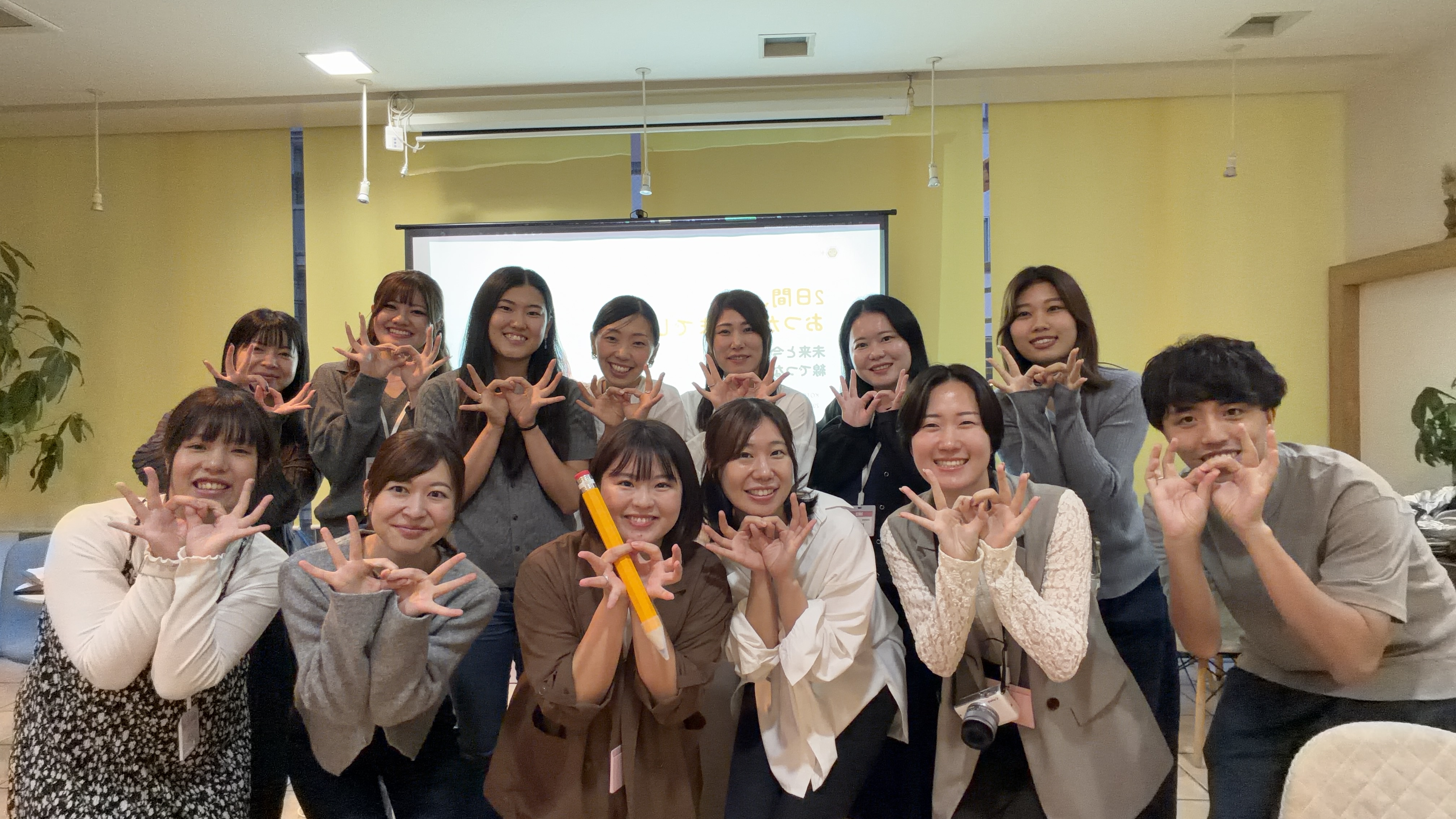
What Kotomusubi teaches
Kotomusubi has two courses. The Debut course is for people starting from zero: signing up on a teaching platform and, most importantly, building a strong profile. Shion works on each profile directly. One recent member debuted on September 12 and, a month later, had more than 30 students and ¥400,000 in monthly income.
The Step-Up course is for working teachers who want to grow past ¥200,000 to ¥300,000 a month, whose bookings have stalled, or who aren’t sure their lessons deliver enough value. It covers profile improvements, KotoMate for new value in lessons and higher prices, building their own products on Pensight, and attracting students through social media.
The biggest problems she sees are attracting students and making materials. Most online teachers build custom materials outside lesson time, because almost nothing is designed for teaching online, and that time adds up. Working alone makes it harder still. “You don’t know if what you’re doing is right, and no new ideas come in,” she says.
So Kotomusubi is also a community. There is a monthly share session where members swap what worked with their students, study sessions led by Shion and by members, a weekly live Q&A, and in-person meetups, the next one in Fukuoka. “I don’t think of the members as rivals at all,” she says.
Why Shion recommends Pensight
When Shion went independent and set out to sell her own products, she tried everything: Google Meet, website builders, payment services and booking tools, both Japanese and international. “I was running all of them separately,” she says.
On Pensight, it all comes together in one place: payments, bookings, and even the video classroom where lessons happen. “That’s been a huge help, and it’s really convenient,” she says. She also uses Pensight’s transcripts. Her lesson conversations in Japanese are transcribed, and from them she writes feedback summaries for students and a monthly report. Several of her Step-Up members now use Pensight to sell their own products and attract students through social media.
What’s next
Shion’s goal is to shape the whole learning journey: students who enjoy Japanese, build real successes speaking it, and eventually use it in Japan. She wants to create events in Japan and, one day, a platform of Kotomusubi’s own that makes both teachers and students happy.
In the nearer term, she is holding two seminars on November 14 and 15: a Debut Roadmap seminar for future teachers and a Step-Up seminar for working teachers. On November 15, she also plans to release a digital textbook that packs in everything from the Debut course.
Her advice to anyone struggling where she once was: don’t give up, and focus on the student in front of you. “Think seriously about how to raise that student’s Japanese,” she says. “That’s what leads to your next student.”
Find Shion
Frequently asked questions
Who is Shion?
Shion is an online Japanese teacher and the founder of Kotomusubi, a training course for online Japanese teachers. She started teaching two years ago as a side job with no experience or certification, went independent about six months later, and has since worked with more than 40 teachers.
Can you teach Japanese online without a certification?
Yes. Shion started on a tutoring site that accepts teachers without certification. She had no teaching experience and almost no English, and built up from there by improving her trial lessons and her profile.
Why don’t trial lessons turn into regular students?
In Shion’s experience, it often comes down to not understanding what each student wants. She fixed it by preparing a hearing sheet and materials to show during trial lessons, so she could understand each student’s goals and propose a clear plan.
How important is a teacher profile on tutoring sites?
Very important, according to Shion. Rewriting her profile for intermediate and advanced learners took her from a handful of students to 25 by her third month, and profile work is the core of Kotomusubi’s Debut course.
What is Kotomusubi?
Kotomusubi is Shion’s training course and community for online Japanese teachers. It offers a Debut course for new teachers and a Step-Up course for working teachers, plus monthly share sessions, study sessions, a weekly live Q&A and in-person meetups.
How can Japanese teachers raise their prices?
Shion recommends presenting the value you already give. Many teachers create extra resources for students without explaining their worth. Framing those resources clearly, and building your own products on a platform like Pensight, can support a higher price.
Watch the full conversation between Shion and Yuki on the Pensight podcast.