

From Corporate Strategy to Somatic Leadership: How Suzan Shedid Built a Human-Centered Practice
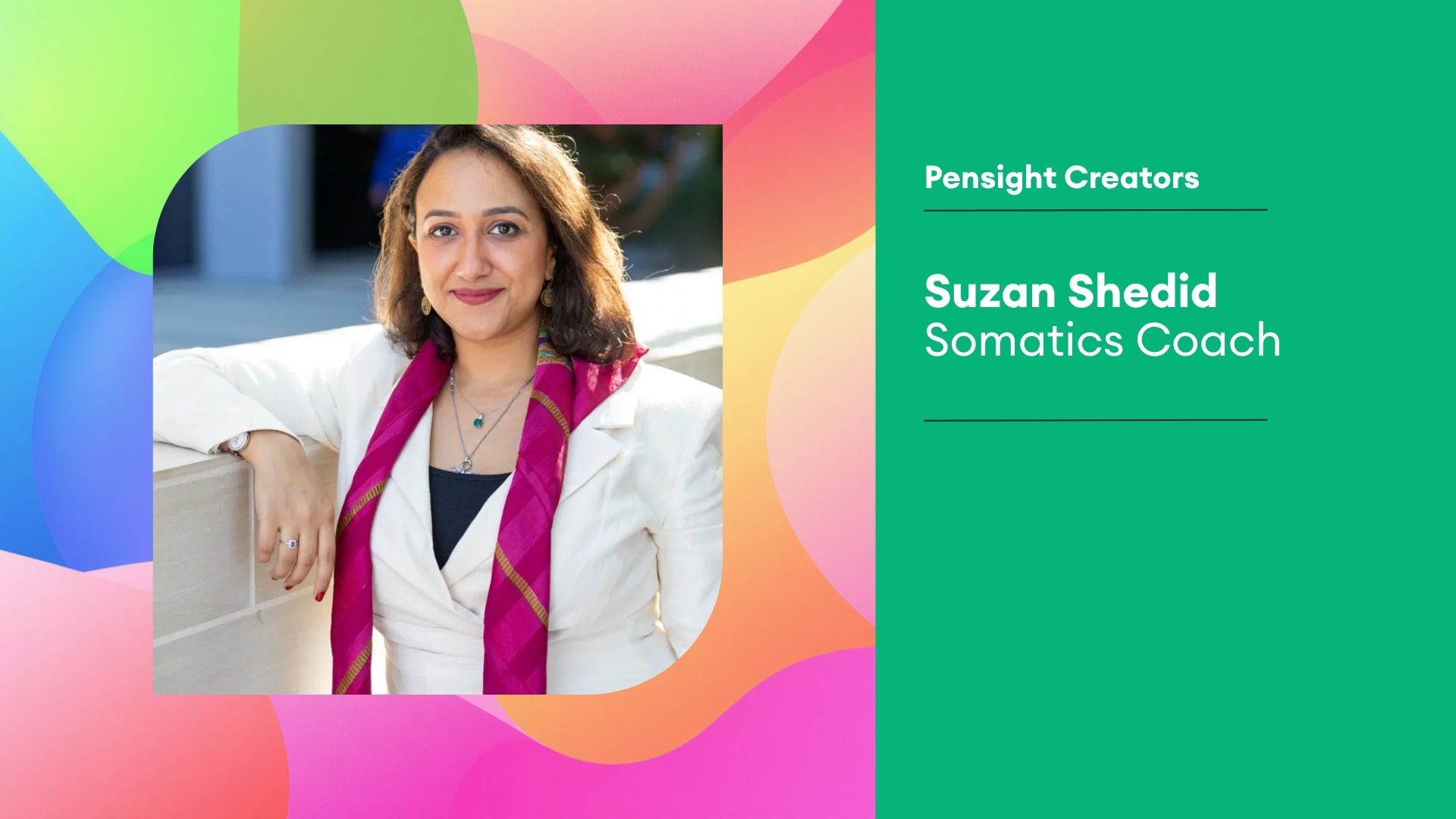
Before building her independent practice, Suzan spent nearly 12 years in management consulting and policy work across the GCC and UK, then moved into tech policy at Meta, focused on product and safety from a user perspective. The throughline across that career was clear: systems shape behavior, and behavior shapes outcomes.
Today, that same systems thinking shows up in her creator business. Her work combines somatic practice, psychological depth, and practical support for people navigating growth, resistance, and change.
She is also co-founder of Collective Circles, which provides mental health and psychosocial support workshops for Sudanese displaced women, in collaboration with international organizations. A key differentiator is culturally grounded delivery in Arabic, where trust and context are not optional, they are central.
A growth model that did not start with social media
A lot of creator advice assumes the same playbook: post more, grow faster, repeat.
Suzan's early traction came from somewhere else. Her first paying clients and collaborators mostly came through in-person events, facilitation, and referrals. Word of mouth, not constant posting, did the heavy lifting at the start.
That does not mean social media is irrelevant. It means social media is one channel, not the only channel.
Keep the offer ecosystem simple
Suzan's current structure is intentionally lean:
- 1:1 sessions and bundled session packages
- A monthly community gathering ("Inner Tribe")
- Free resources for lower-friction entry
- A group program in development
- A podcast in development
This is a useful operating lesson for service-led creators: simplicity is not a lack of ambition. It is often a quality and sustainability decision.
How she uses AI without compromising client work
Suzan is explicit about boundaries. She does not use AI to replace core coaching or depth work. She uses AI operationally: planning weeks, organizing priorities, and reducing admin load.
That shift matters. Offloading operational clutter can preserve presence for client-facing work, which is exactly where human attention creates the most value.
What this means for creators building now
Her path offers a clear counterpoint to always-on creator pressure:
- Build trust before you chase scale.
- Simplify your offer stack before adding more channels.
- Use tools to protect delivery quality, not to imitate depth.
For creators in advisory, coaching, healing, and education spaces, this model is practical: start with what you can deliver well, create a clean client journey, and scale visibility in the order your capacity can support.
Three actions for this week
If you are in the early stage, use this as a direct sprint:
- Publish one external starting point: a profile, page, or offer description.
- Map your client journey from first touch to paid conversion, even if it changes later.
- Choose one trust channel you can sustain consistently.
Fast growth is attractive. Durable growth is usually better.
Start a Pensight page at pensight.com.


